Fishing from Your Boat: Tips, Gear, and Best Practices
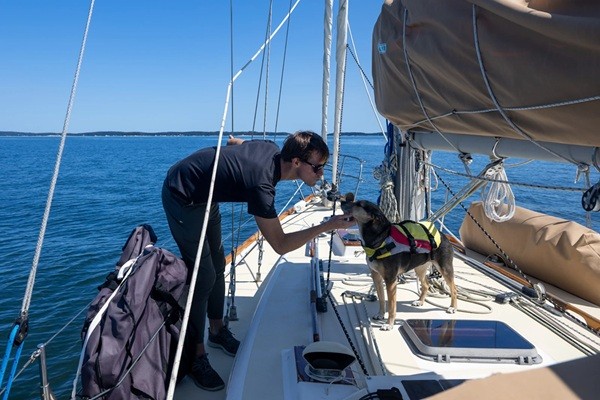
Fishing from a boat opens up access to deeper waters, diverse fish species, and secluded spots that are unreachable from shore. Whether you’re a recreational angler or a seasoned fisherman, having the right approach, skills, and Marine Accessories can make the experience safer, more productive, and more enjoyable.
Choosing the Right Boat for Fishing
The type of boat you use impacts the fishing experience. Small motorboats are ideal for lakes, rivers, and calm coastal areas, offering maneuverability and easy access to tight spots. Larger vessels or fishing yachts provide stability, storage, and the ability to handle offshore conditions. For anglers, space for rod holders, tackle storage, and bait preparation is crucial. Many boats can be outfitted with specialized Marine Accessories such as fish finders, rod racks, and livewells to enhance productivity.
Essential Gear and Marine Accessories
A successful fishing trip begins with preparation. Essential gear includes:
- Fishing Rods and Reels: Select rods appropriate for the species and water conditions.
- Tackle Boxes: Stocked with hooks, lures, lines, and bait.
- Fish Finders: Modern Marine Accessories that use sonar to detect fish locations, depth, and underwater structures.
- Safety Equipment: Life jackets, first aid kits, and communication devices are critical even on calm waters.
Organizing these items ensures quick access and reduces clutter, keeping both anglers and passengers safe.
Safety and Preparation
Fishing can be physically demanding, and adding watercraft variables makes preparation essential. Always check weather conditions before departure, as storms can appear quickly. Ensure all safety gear is accessible and functional. For offshore fishing, carry extra food, water, and a first-aid kit. Marine Accessories like GPS units, VHF radios, and emergency flares provide peace of mind and safety in case of unexpected situations.
Techniques for Different Environments
Fishing strategies vary based on location:
- Freshwater Lakes and Rivers: Focus on structure such as submerged logs, rocks, and weed beds where fish congregate. Slow trolling or casting near cover is effective.
- Coastal and Nearshore Waters: Bottom fishing, drift fishing, and trolling are common techniques. Be mindful of tides, currents, and shallow areas.
- Offshore Fishing: Deep-sea fishing requires specialized equipment, heavier tackle, and often electronic aids. Knowledge of currents, water temperature, and fish behavior is essential.
Selecting the right technique for your environment maximizes success and reduces frustration.
Catch Handling and Conservation
Responsible anglers practice proper catch handling and conservation. Use de-hooking tools and handle fish with care to minimize stress if you plan to release them. Adhering to local size and bag limits preserves fish populations and promotes sustainable fishing practices. Many boaters also equip livewells or insulated storage systems to keep fish healthy until release or consumption.
Organizing Your Boat for Efficiency
Space is limited on most fishing boats, so organization is key. Store rods in holders, tackle in labeled boxes, and live bait in secure containers. Properly stow ropes, anchors, and other Marine Accessories to prevent tripping hazards. Efficient organization allows anglers to focus on fishing and reduces stress when multiple people are onboard.
Tips for Enjoying the Experience
Fishing is not only about catching fish; it’s also about enjoying the outdoors. Take breaks to appreciate the scenery, observe wildlife, and relax between casts. Maintaining hydration, sun protection, and comfort ensures a positive experience for everyone on board. Patience, observation, and adaptation to changing conditions are as important as skill or gear.
Conclusion
Fishing from a boat combines strategy, skill, and adventure. By selecting the right vessel, bringing essential gear and Marine Accessories, and practicing safety and conservation, anglers can enjoy productive and enjoyable trips. Whether navigating calm rivers, exploring coastal areas, or venturing offshore, preparation, organization, and respect for the environment are key. With these practices, boat fishing becomes a rewarding experience that combines the thrill of the catch with the joy of being on the water.