Music has always played a powerful role in human life. Long before smartphones, streaming platforms, or wireless headphones became part of daily routines, music already influenced emotion, identity, culture, and social connection. However, in today’s digital world, music has evolved far beyond traditional listening habits. In 2026, music is no longer simply background entertainment. It has become a daily companion that shapes mood, productivity, creativity, and even online behavior.
As digital audiences continue exploring different forms of entertainment, many users now discover music through multiple online ecosystems instead of relying only on radio stations or mainstream media channels. Some users spend time inside niche digital communities and entertainment-focused platforms such as judi slot online, where interactive media, user engagement, and digital discovery continue influencing broader online habits across different audiences.
This shift reflects a much bigger change in digital culture.
People no longer consume entertainment in one place.
They move between platforms.
They follow content based on mood.
They build personalized routines around what feels most relevant in the moment.
At the same time, international entertainment discovery continues expanding through cross-border communities, streaming platforms, and specialized online spaces. Many users also engage with global digital ecosystems such as slot server luar negeri, where multilingual audiences and international user behavior continue shaping how entertainment content spreads worldwide.
These changing patterns reveal how digital habits are becoming increasingly global, connected, and personalized.
Why Music Continues Influencing Daily Emotional Behavior
One of the strongest reasons music remains relevant is its emotional power. Few forms of content can influence mood as quickly as music.
A single song can create motivation before work.
A relaxing melody can reduce stress after a long day.
An energetic playlist can improve workout performance.
A nostalgic track can instantly bring back forgotten memories.
This emotional connection makes music unique.
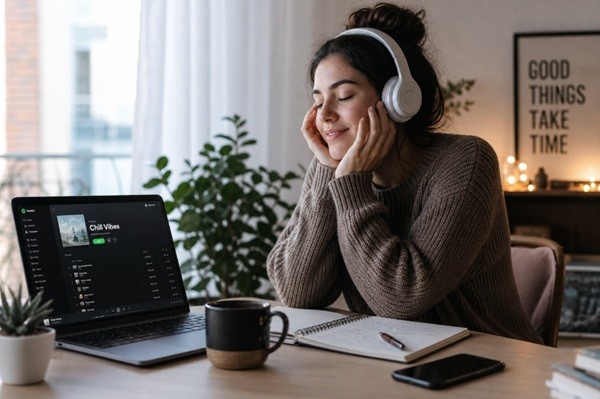
Unlike many digital experiences that demand constant attention, music often integrates naturally into daily life. People listen while driving, studying, exercising, cooking, working, traveling, or simply relaxing at home.
Because of this flexibility, music continues becoming more deeply connected to personal routines.
And when routines become emotional habits, loyalty naturally follows.
How Streaming Platforms Have Changed Listening Behavior
The rise of streaming technology has completely transformed how people experience music. In the past, listeners often depended on physical albums, downloaded files, or radio schedules. Today, access is instant.
Platforms like Spotify, YouTube Music, and Apple Music allow users to access millions of songs within seconds.
This convenience has changed listening behavior dramatically.
Users no longer search for songs manually.
Algorithms now recommend content based on mood, genre preferences, time of day, and previous listening behavior.
This creates highly personalized experiences.
And personalization increases engagement.
People spend more time on platforms that understand their preferences.
That is why music streaming continues dominating modern entertainment.
Why Personal Playlists Have Become Part of Digital Identity
Playlists are no longer just collections of songs.
They often represent personality.
Many users create playlists based on:
- Work focus
- Travel memories
- Fitness motivation
- Emotional recovery
- Social events
- Creative inspiration
These playlists often become digital reflections of personal identity.
People share them with friends.
They connect over similar taste.
They discover communities through shared genres.
Music now helps people express who they are without saying a single word.
This emotional personalization continues strengthening the relationship between users and digital music platforms.
How Artists and Creators Continue Building Global Communities
Modern artists no longer rely only on record labels or traditional promotion. Social media, streaming platforms, short-form content, and direct audience interaction have completely changed the industry.
Artists can now connect directly with fans worldwide.
Fans can support creators instantly.
Communities form around shared music experiences.
This global accessibility has created stronger artist-fan relationships than ever before.
A song released in one country can trend globally within hours.
And that speed continues shaping modern music culture.
Final Thoughts on Music and Modern Digital Lifestyles
Music continues evolving with technology, but its emotional impact remains timeless. Whether users listen for focus, relaxation, inspiration, or connection, music remains one of the most powerful parts of daily digital life.
As streaming technology, global communities, and personalized platforms continue growing, music will remain at the center of modern entertainment.
Because while technology changes the way people listen—
Music continues shaping the way people feel.